 English
 Portugues
 Pусский
 العربية


¿Qué es realmente un Tablero revestido con película de PVC? Analicémoslo.
Si estás en medio de un proyecto de construcción o renovación, probablemente te hayas topado con una gran variedad de paneles para paredes. Y si hace tiempo que no miras materiales de construcción, la cantidad de opciones puede resultar abrumadora.
Un producto que últimamente está ganando mucha popularidad es el tablero recubierto con película de PVC. Pero, ¿qué es exactamente? Y, lo que es más importante, ¿por qué debería importarte?
Imagínelo como un atajo para lograr una pared terminada. En lugar de colocar un panel base, imprimarlo y pintarlo, o pegar una chapa aparte, este tablero viene listo para instalar. El aspecto que desea —ya sea vetas de madera, un color liso o un diseño moderno— ya está integrado en la superficie.
Vamos a analizar de qué están hechas estas pizarras, cómo funcionan y por qué la gente las sigue eligiendo para todo tipo de espacios, desde dormitorios domésticos hasta concurridos vestíbulos de hotel. Sin rodeos, solo lo práctico.
Un tablero revestido con película de PVC no es una losa misteriosa de una sola pieza. Es un material compuesto, lo que significa que está formado por varios materiales diferentes cuidadosamente superpuestos para aprovechar las mejores propiedades de cada uno. Se puede dividir en tres partes principales:
El núcleo (sustrato): Este es el elemento fundamental de la tabla. Le da resistencia y mantiene todo unido. Hay un par de opciones comunes aquí:
Tablero de silicato de calcio de alta densidad: Un clásico por una buena razón. Está hecho de arena, cemento y fibras de celulosa, y luego curado a alta presión y temperatura. Es naturalmente resistente al fuego, no se hincha mucho al mojarse y es muy difícil de romper. Es completamente incombustible y se conserva muy bien con el paso del tiempo.
Núcleo de PVC espumado: Si la tabla es un poco más ligera o tiene un poco más de flexibilidad, es posible que esté hecha con un núcleo de PVC espumado. Básicamente, se trata de resina de PVC expandida con un agente espumante para hacerla ligera, ligeramente aislante y fácil de manipular.
La lámina decorativa: Esta es la superficie que ves y tocas. Es una fina lámina de PVC impresa con el diseño o color que el fabricante desee. Aquí es donde se consigue toda la variedad estética: vetas de madera, apariencia de piedra, colores llamativos, lo que quieras.
Capa protectora: Sobre la película decorativa suele haber una capa protectora transparente o una capa adicional de resistencia al desgaste. Esto protege el diseño de arañazos, rozaduras y el desgaste diario.
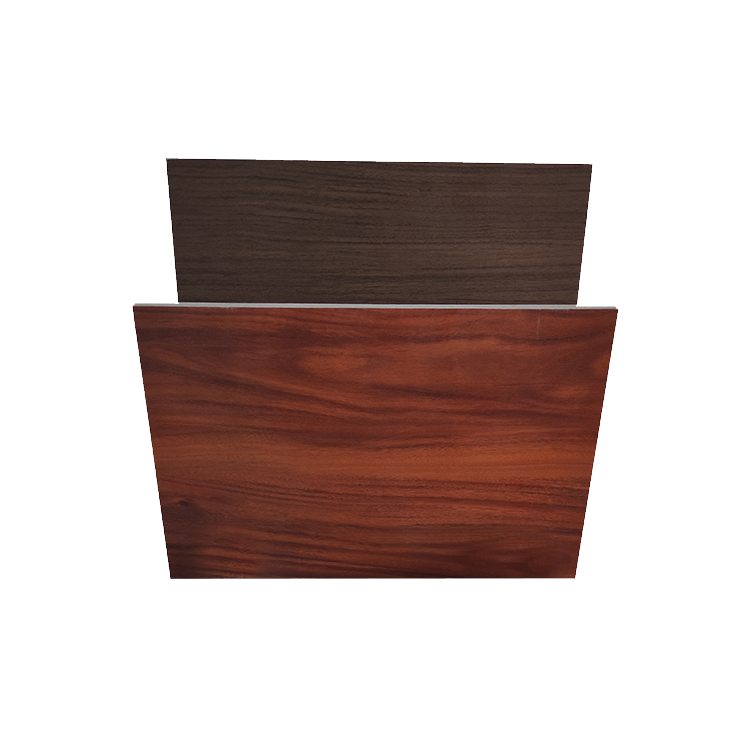
Aquí es donde ocurre la "magia", y sinceramente, es la parte más importante de todo el producto. La unión entre la película y el núcleo tiene que ser a prueba de balas, o la placa fallará, se despegará y tendrá un aspecto terrible.
El proceso de unir estas dos cosas se llama laminación. Hay diferentes maneras de hacerlo, pero aquí les explicamos cómo se logra una laminación confiable.
Primero, se prepara la película de PVC. Algunas películas vienen con un recubrimiento posterior, similar a una imprimación en la cara que se pegará. Este recubrimiento la hace mucho más adhesiva y tolerante a errores durante el proceso de fabricación. Los estudios han demostrado que las películas con recubrimiento posterior son significativamente más fiables que las que no lo tienen, especialmente cuando la temperatura y la humedad en la fábrica no son óptimas.
Luego, el adhesivo. Los tableros de alta calidad utilizan un adhesivo termofusible, generalmente de Poliuretano reactivo. La película se calienta (a veces con luz infrarroja para calentarla rápidamente), se aplica el adhesivo y luego se presiona sobre el núcleo con mucha fuerza.
Algunas innovaciones más recientes incluso incorporan materiales como cenizas volantes —un subproducto de las centrales eléctricas de carbón— en el núcleo de PVC espumado. ¿El resultado sorprendente? Esto fortalece el núcleo internamente, de modo que al intentar retirar la película, el núcleo ofrece mayor resistencia, evitando la delaminación.
En el sector de la construcción, la gente elige los paneles revestidos con película de PVC por varias razones prácticas y específicas. No se trata solo de una cuestión estética.
La mayor ventaja para los contratistas es la rapidez de instalación. Como la superficie decorativa ya viene preacabada, se puede prescindir de pintar, barnizar o empapelar. Simplemente se corta el panel a la medida, se fija a la pared (o al techo o columna) y listo. Esto puede acortar drásticamente el plazo de construcción, lo que permite que los inquilinos entren en sus edificios más rápidamente.
Estos paneles están diseñados para el uso diario. Son resistentes. Su núcleo de alta densidad les proporciona una sólida resistencia a los impactos, y su superficie de PVC es resistente a los arañazos y no absorbe la humedad como el yeso o la madera sin tratar. Esto los convierte en una excelente opción para zonas de mucho tránsito o con alta humedad.
Puedes conseguir el aspecto de la madera o la piedra natural, pero sin el mantenimiento. No tienes que volver a barnizar la madera ni sellar la piedra. Basta con pasarle un paño húmedo para que una pared revestida con película de PVC luzca como nueva. Y a diferencia de la madera natural, no tienes que preocuparte de que se deforme o se agriete con el tiempo.
Si aún no tienes claro dónde encajan estos ejemplos, aquí tienes un par de situaciones típicas del mundo real.
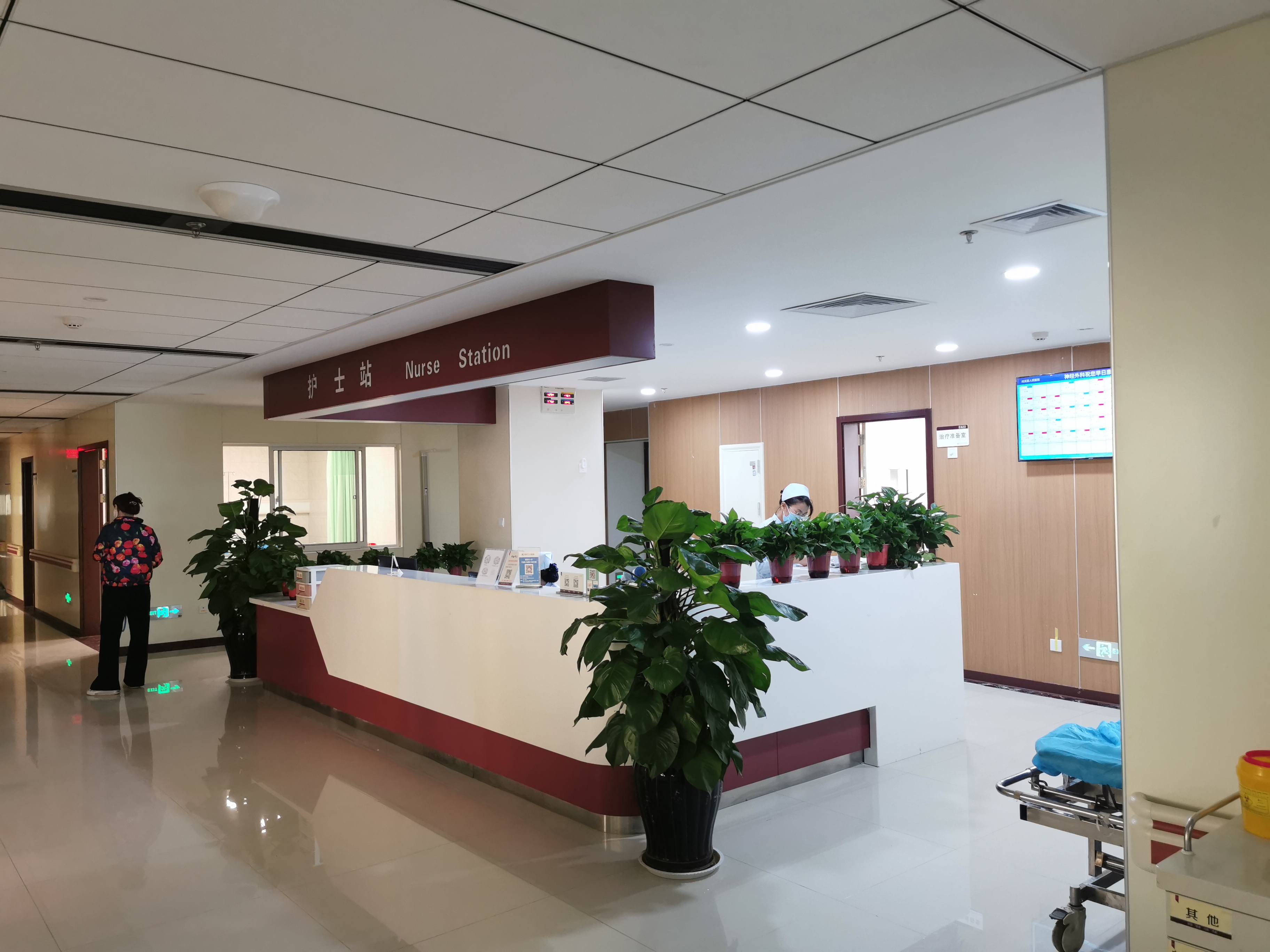
Piensa en el vestíbulo de un hotel de gama media o en la concurrida sala de espera de un aeropuerto. Estos lugares deben lucir limpios, modernos y profesionales, pero también deben resistir el paso de miles de personas, los golpes contra las paredes y el arrastre de equipaje. Los paneles revestidos con película de PVC son la solución ideal. Ofrecen una apariencia elegante con un mantenimiento mínimo. Además, están disponibles en versiones ignífugas, algo imprescindible para edificios públicos.
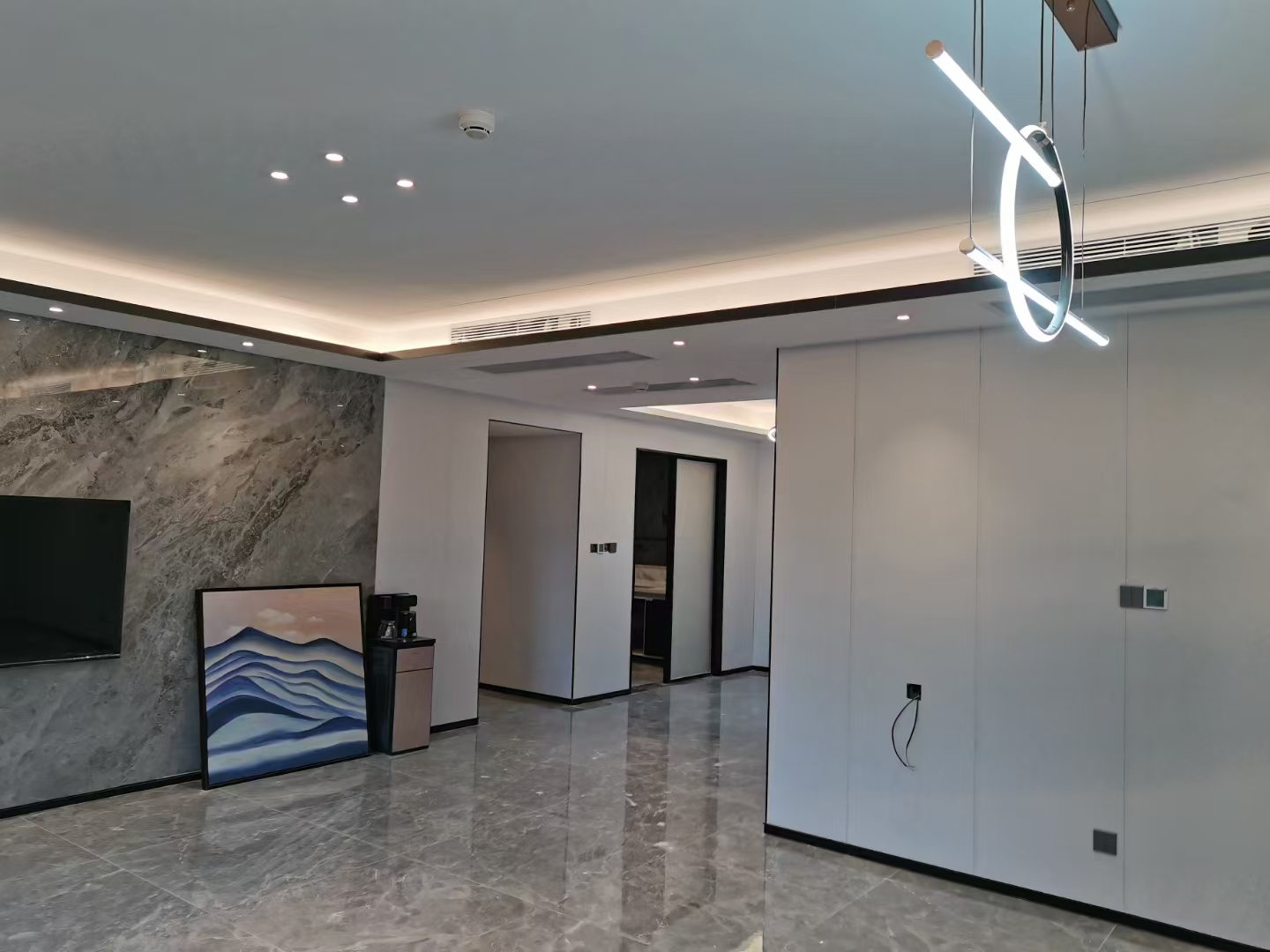
Para uso residencial, son ideales para hogares con mucha actividad. Muchos las colocan en habitaciones infantiles, pasillos o salas de estar. Los niños suelen ser un poco bruscos con las paredes, y la durabilidad de estos paneles permite que los padres no tengan que preocuparse por cada rasguño o marca. Además, los acabados modernos lucen mucho más elegantes que los paneles anticuados de décadas pasadas.
Si hay algo que debes recordar de todo esto, es esto: la calidad del laminado lo es todo.
Un tablero puede tener un diseño precioso y un núcleo perfecto, pero si la película no está bien adherida, acabará con bordes que se despegan, burbujas o deformaciones.
¿Cómo se eligen las cosas buenas?
Busque el control de fabricación: Los mejores fabricantes controlan rigurosamente su proceso de laminación. Esto implica gestionar la temperatura del adhesivo, la presión de los rodillos y la velocidad de la línea. Si el entorno está controlado, la unión será más fuerte.
Verifique las certificaciones: Ver certificaciones como la ISO 9001 (para la gestión de la calidad) o certificaciones específicas de construcción sostenible indica que la empresa cuenta con un proceso y un estándar que cumple. Es una señal de que no se limitan a ensamblar paneles sin criterio.
No dudes en preguntar: Si vas a pedir una gran cantidad para un proyecto, pregunta sobre el proceso de adhesión. Pregunta cómo preparan la superficie del núcleo antes de la laminación. Un proveedor que conoce bien su proceso es una buena señal de que estás tratando con una empresa profesional.
En definitiva, un panel revestido con película de PVC es una solución inteligente y práctica para un problema común: cómo obtener un acabado de alta calidad sin gastar una fortuna en tiempo y mano de obra. Al buscar opciones para su proyecto, recuerde que el núcleo, la película y, sobre todo, la unión entre ellos son la clave para una pared que se mantendrá en buen estado durante años.
Móvil: +86 150 6692 1266
WhatsApp: +86 150 6692 1266
Correo electrónico: rogerliu0506@163.com
Móvil: +86 187 6968 0454
WhatsApp: +86 187 6968 0454
Correo electrónico: jacky_xin@outlook.com
Buscar
Copyright © 2017-2020 cld. Todos los derechos reservados. Soporte técnico de la plataforma en la nube.
Este sitio web utiliza cookies para garantizar que obtenga la mejor experiencia en nuestro sitio web.



 Whatsapp
 Teléfono
 E-mail