 English
 Portugues
 Pусский
 العربية


El mercado global de techos suspendidos superó los 5.500 millones de dólares en 2024, y los productos a base de PVC representan una parte importante de ese mercado. Solo China representó alrededor del 35% de la demanda mundial en 2022, impulsada por la rápida urbanización y un auge de la construcción que no muestra signos de desaceleración.
¿Qué impulsa esta demanda? Principalmente dos cosas. Primero, constructores y propietarios están prestando atención a la estética interior, no solo a la funcionalidad. Segundo, existe una creciente preferencia por materiales ligeros, fáciles de instalar y que no se pudran ni se manchen con la humedad. Las láminas de PVC de colores cumplen con todos estos requisitos, además de ofrecer opciones de diseño que las placas de yeso o fibra mineral tradicionales simplemente no pueden igualar.
Una Lámina de techo de PVC de colores es básicamente un panel de plástico rígido fabricado con resina de cloruro de polivinilo, mezclada con diversos aditivos para mejorar su rendimiento. El material base suele ser PVC no plastificado, a menudo llamado uPVC, lo que significa que se mantiene rígido y no se deforma como el PVC más blando que se usa en las cortinas de ducha.
El color proviene de pigmentos añadidos durante el proceso de fabricación, y muchos proveedores ahora utilizan tintes importados que resisten la decoloración y el envejecimiento. Algunas sábanas también incluyen estabilizadores UV para uso en exteriores, generalmente con una duración de 3, 5 o incluso 10 años, según la formulación.
El grosor puede variar entre 1 mm y 40 mm, con anchos que suelen oscilar entre 0,9 y 1,22 metros, aunque también se fabrican en tamaños personalizados. La superficie puede ser brillante, mate o texturizada, y algunos fabricantes ofrecen impresión digital para diseños personalizados.

El proceso de fabricación no es complicado, pero la calidad depende en gran medida de una formulación correcta. Una receta típica incluye resina de PVC, nanocarbonato de calcio como relleno, un estabilizador de calcio-zinc (esta es la alternativa sin plomo), dióxido de titanio para blancura y resistencia a la intemperie, y varios modificadores para resistencia al impacto y procesamiento.
Las materias primas se mezclan en una mezcladora de alta velocidad, se calientan a unos 118 °C y luego se enfrían antes de introducirlas en una extrusora. El proceso de extrusión fuerza el material fundido a través de una boquilla para crear una lámina continua, que luego se corta a la medida. Algunos fabricantes añaden un agente espumante para obtener un tablero más ligero y ligeramente acolchado que también ofrece un mejor aislamiento.
Una patente antigua que encontré describe una mezcla que incluye resina de cloruro de polivinilo, ácido poliláctico, policaprolactona, fibra de poliéster, sulfato de bario y sepiolita para fabricar paneles a prueba de polvo, fonoabsorbentes, resistentes a los insectos y reflectantes. Es una gran cantidad de funcionalidades concentradas en un solo producto.
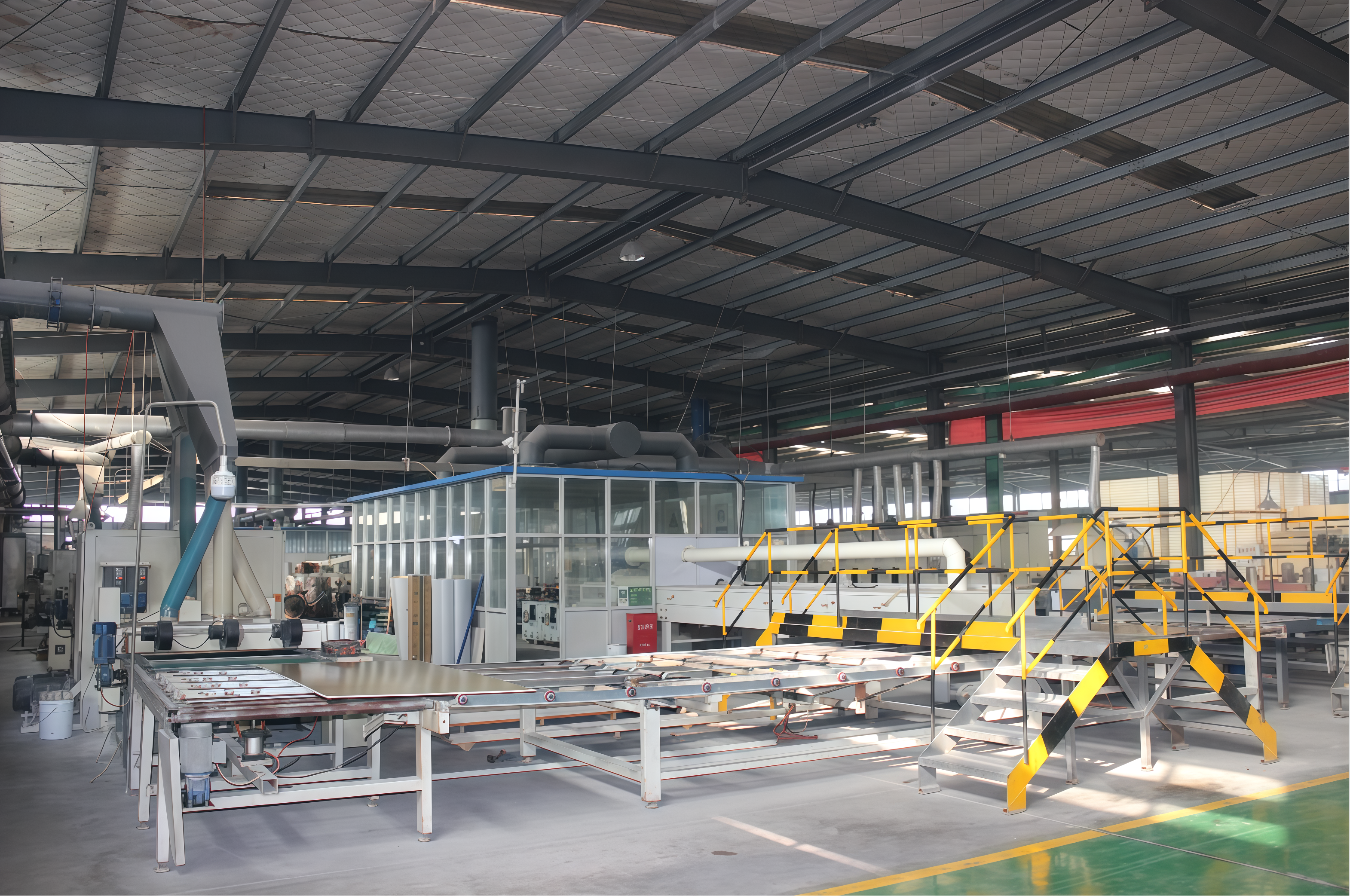
Esta es la realidad: no todas las láminas de techo de PVC de colores son iguales. El factor más importante es el sistema estabilizador. Los productos más antiguos o económicos utilizaban estabilizadores a base de plomo, pero los fabricantes de confianza han optado por alternativas de calcio y zinc, que son más seguras y ofrecen un buen rendimiento.
El material de relleno también es importante. El carbonato de calcio nanoestructurado mejora las propiedades mecánicas, pero es necesario controlar el tamaño y la dispersión de las partículas. Una dispersión deficiente provoca puntos débiles y superficies irregulares. Del mismo modo, si el contenido de dióxido de titanio es demasiado bajo, el color se desvanecerá con la exposición a los rayos UV. Para uso en exteriores, se recomienda dióxido de titanio rutilo, ya que es más duradero que la variedad anatasa.
La supresión de humo es otro aspecto importante. En caso de incendio, el PVC puede producir humo negro denso. Algunas formulaciones más recientes incluyen supresores de humo como el octamolibdato de amonio mezclado con óxidos metálicos para reducir la generación de humo. Si se especifican estos paneles para un edificio comercial, esto es más relevante de lo que parece.
La principal queja que escucho sobre las láminas de techo de PVC es que se hunden o deforman con el tiempo, especialmente en ambientes cálidos. Esto sucede cuando el material se ablanda demasiado a temperaturas elevadas. El PVC rígido de alta calidad con formulaciones de estabilidad térmica adecuadas resiste esto; las láminas baratas no.
El amarilleamiento es otro problema común. Incluso con estabilizadores UV, algunas sábanas amarillean después de unos años. La diferencia radica en la calidad del estabilizador. Algunos proveedores ofrecen sábanas estabilizadas contra los rayos UV con garantías de 3, 5 o 10 años. Esto es un buen indicador del rendimiento esperado.
La instalación también es importante. Estas láminas suelen montarse sobre un sistema de rejilla de techo suspendido. Si la rejilla no está bien nivelada o si los paneles se fuerzan para colocarlos, pueden deformarse o agrietarse. La clave es dejar suficiente espacio de dilatación para los cambios de temperatura, ya que el PVC se expande y se contrae como cualquier otro plástico.
Baños y cocinas residenciales. La resistencia a la humedad es la ventaja obvia. Estos paneles no se hinchan ni se manchan, y limpiarlos solo requiere un paño húmedo.
Cocinas comerciales y restaurantes. Los entornos de servicio de alimentos requieren superficies fáciles de limpiar y que no acumulen moho. Las láminas de PVC cumplen ambos requisitos.
Sótanos y zonas de alta humedad. Las placas de yeso tradicionales no duran en sótanos húmedos. El PVC sí.
Hospitales y clínicas. Algunas formulaciones cuentan con la certificación GREENGUARD Gold, lo que significa que son seguras para su uso en entornos sanitarios donde la calidad del aire interior es importante.
Hoteles y locales comerciales. Aquí es donde entra en juego la flexibilidad de diseño. Los colores y estampados personalizados permiten a los diseñadores de interiores crear espacios temáticos sin tener que pagar por carpintería a medida.
Si estás buscando estas láminas para un proyecto, esto es lo que te recomiendo preguntar:
¿Qué sistema estabilizador utilizan? Si dicen "calcio-zinc", mejor. Si no dan detalles, mejor busquen otra opción.
¿Cuál es su índice de estabilización UV? Para uso interior, no es muy importante. Para aplicaciones exteriores o cerca de ventanas, solicite un índice específico en años.
¿Puedo ver una muestra después del envejecimiento acelerado? Los buenos fabricantes prueban sus productos bajo luz ultravioleta y calor para simular años de uso.
¿Cuál es la densidad? La densidad típica de las láminas de PVC rígido oscila entre 1,4 y 1,6 g/cm³. Una menor densidad suele implicar una mayor cantidad de relleno, lo que puede comprometer la resistencia.
¿Dispone de informes de pruebas de terceros? La resistencia al fuego (ASTM E84 Clase B1 o equivalente), la absorción de humedad y la estabilidad dimensional son aspectos que conviene comprobar.
Sé que existe controversia en torno al PVC. Algunos grupos ecologistas han expresado su preocupación por la fabricación con cloro y los posibles aditivos como los ftalatos. Pero he aquí el argumento contrario: el PVC rígido utilizado en la construcción contiene muy pocos plastificantes —a diferencia del PVC blando de las cortinas de ducha o los envases— y es más fácil de reciclar. Varios países europeos clasifican el uPVC como un material distinto debido a esta diferencia.
Como comprador, su función no es zanjar el debate general. Es elegir productos que sean seguros para su aplicación prevista, que cumplan con las certificaciones pertinentes y que provengan de fabricantes que puedan documentar sus controles de calidad.
Binzhou Lübang Board Industry Co., Ltd., filial de Guochang Group, se ubica en el Parque Industrial de Binzhou, en la provincia de Shandong, ciudad central de la Zona Económica Ecológica de Alta Eficiencia del Delta del Río Amarillo. La empresa, que tuvo su origen en Qinglongshan Cement, fundada en 1958, ha crecido y se ha expandido continuamente a lo largo de más de 60 años de desarrollo. Con una facturación anual de 3.000 millones de RMB, el Grupo es un fabricante de materiales de construcción altamente competitivo en la región del Delta del Río Amarillo. Reconocida por la excelencia de sus productos y servicios de primera calidad, la empresa goza de gran prestigio entre sus clientes y mantiene una alta cuota de mercado a nivel nacional. Ha obtenido el pleno reconocimiento y la admiración de la mayoría de los institutos de diseño arquitectónico, empresas de ingeniería, comerciantes y usuarios finales del país. Los principales proyectos de Lübang abarcan todas las regiones de China. Constituida en febrero de 2003, la empresa cuenta con un capital social de 50 millones de RMB, una inversión total de 210 millones de RMB y una superficie de 87.000 metros cuadrados. Su cartera de productos incluye láminas planas de cemento sin amianto, placas de silicato de calcio, placas Meijie (paneles decorativos inorgánicos ecológicos), paneles integrados de aislamiento térmico y decoración, paneles de pared compuestos sólidos ligeros, paneles funcionales ecológicos de diatomita, paneles texturizados de superficie vista, paneles integrales de color sólido, paneles decorativos tallados, paneles perforados fonoabsorbentes, paneles de techo artísticos ignífugos, así como paneles decorativos modernos 3D/5D y otras series. La empresa cuenta con una capacidad de producción anual de más de 20 millones de metros cuadrados para placas de silicato de calcio y láminas planas de cemento, 1,5 millones de metros cuadrados para paneles decorativos ecológicos y 2 millones de metros cuadrados para paneles de pared compuestos, lo que la sitúa entre los principales fabricantes a gran escala de paneles de construcción de nuevo tipo en China. Ha superado la certificación del Sistema de Gestión de Calidad ISO9001:2015, el Sistema de Gestión Ambiental ISO14001:2015 y el Sistema de Gestión de Seguridad y Salud en el Trabajo ISO45001:2018, y ha obtenido la Certificación de Producto de Construcción Verde de China de Tres Estrellas. Además, la empresa ha recibido numerosos galardones, entre ellos "Producto Ecológico de Protección Ambiental de China", "Producto de Marca Famosa de Shandong", "Una de las 10 Mejores Empresas de la Industria de Tableros de Silicato de Calcio y Fibrocemento en China" y "Unidad Miembro del Consejo de la Rama de Tableros de Silicato de Calcio y Cemento de la Asociación China de Productos de Hormigón y Cemento". Estas distinciones y reconocimientos son una clara muestra de la confianza de los consumidores y del prestigio de las instituciones nacionales competentes.

Las láminas de techo de PVC de colores son una solución práctica para quienes desean un techo atractivo, fácil de limpiar y que no requiera mantenimiento constante. La tecnología es sencilla, pero la calidad varía considerablemente. La clave está en elegir un proveedor que controle sus materias primas, utilice estabilizadores adecuados y pueda proporcionar datos de pruebas documentados, no solo una bonita muestra.
Móvil: +86 150 6692 1266
WhatsApp: +86 150 6692 1266
Correo electrónico: rogerliu0506@163.com
Móvil: +86 187 6968 0454
WhatsApp: +86 187 6968 0454
Correo electrónico: jacky_xin@outlook.com
Buscar
Copyright © 2017-2020 cld. Todos los derechos reservados. Soporte técnico de la plataforma en la nube.
Este sitio web utiliza cookies para garantizar que obtenga la mejor experiencia en nuestro sitio web.



 Whatsapp
 Teléfono
 E-mail